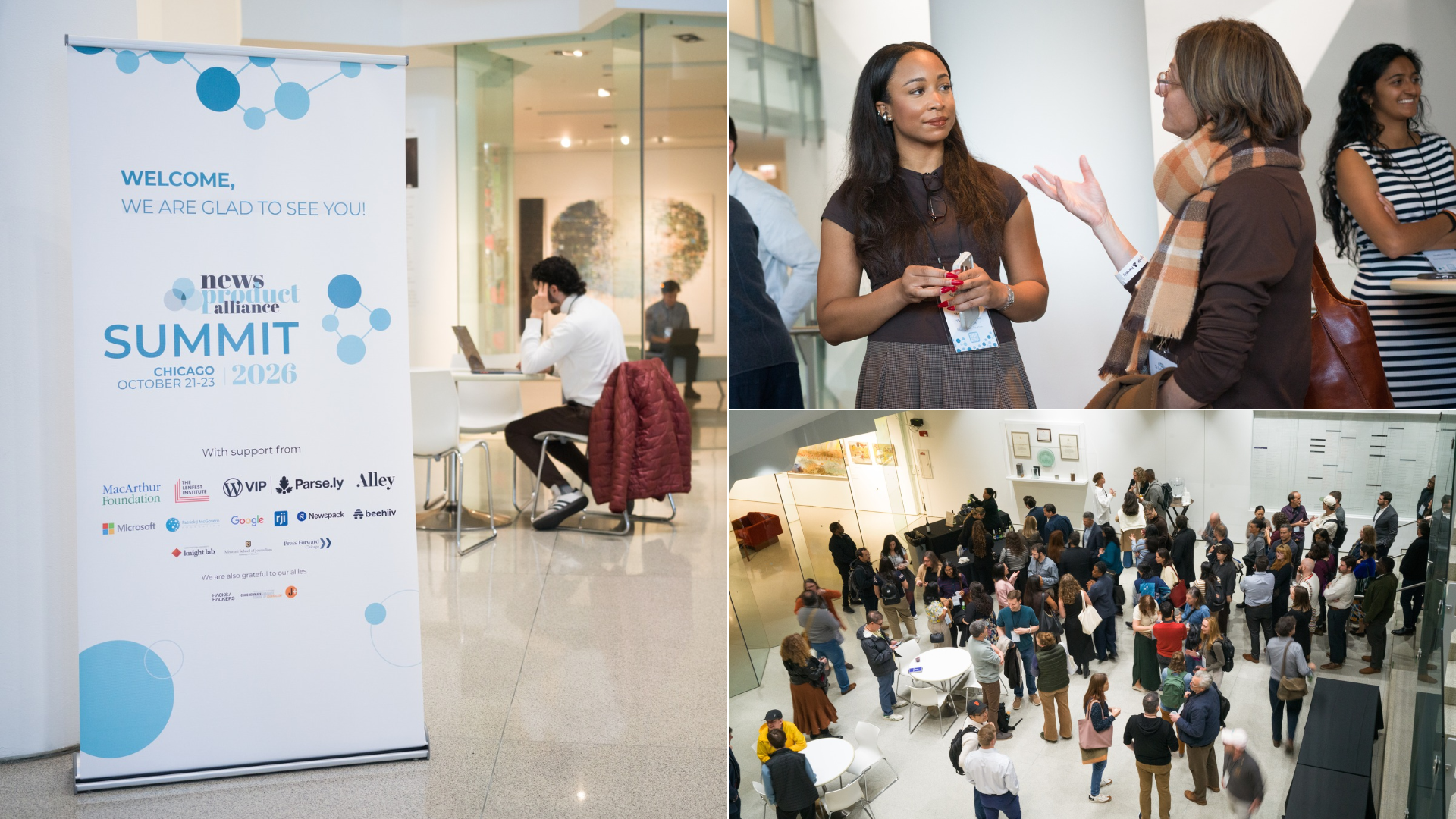
The NPA Summit 2026 took place in Chicago from October 21 to 23 with the theme “From Reaction to Readiness: Audience Intelligence as AI Infrastructure for News.” The program focused on how news organizations can move from responding to platform shifts and new AI tools to building the audience intelligence and infrastructure needed to operate with clarity, resilience, and control.
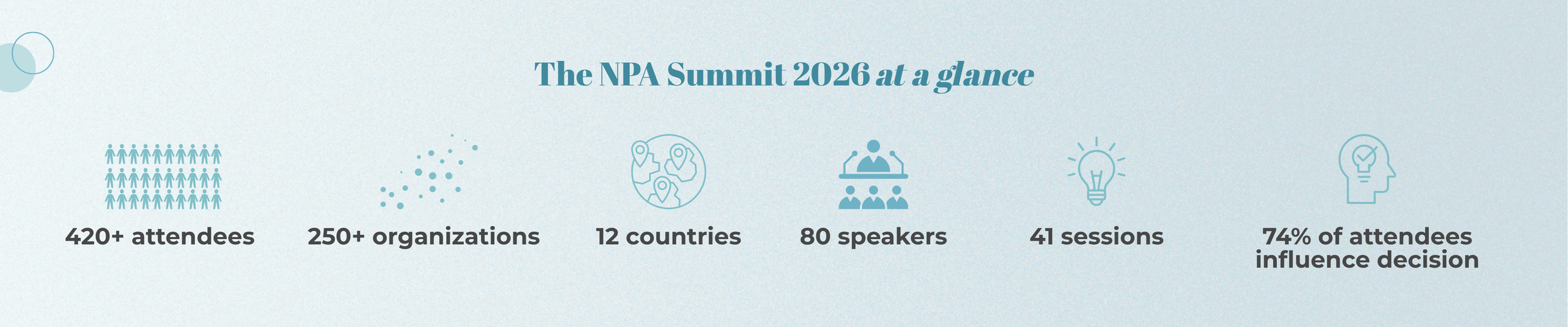
More than 420 participants from 250+ organizations in 12 countries attended the second in-person Summit. Attendees included global and national organizations such as The New York Times, Bloomberg News, CNN, NPR, and The Atlantic, alongside international publishers and broadcasters including ZDF, SPIEGEL Group, Schibsted, and RNZ. Regional newsrooms such as The Philadelphia Inquirer, The Boston Globe, The Minnesota Star Tribune, and The Baltimore Banner were joined by local and nonprofit organizations including City Bureau, Documented, Block Club Chicago, and Outlier Media.
74% of attendees directly influence or make strategy, budget, and purchasing decisions, and 87% of all participants were engaged in product work, ranging from mid- to senior-level professionals across a wide range of newsroom roles, including Chief AI Strategist, Vice President of Product & Engineering, Chief Executive Officer, Development Director, Head of Growth Initiatives, and many more.
“The NPA Summit was easily the most practical conference I’ve ever attended. The sessions weren’t just ‘pie in the sky’ ideas that went perfectly. Presenters broke down the steps, showed where things could have gone better, and I left with tangible things I could start implementing right away,” said an attendee.
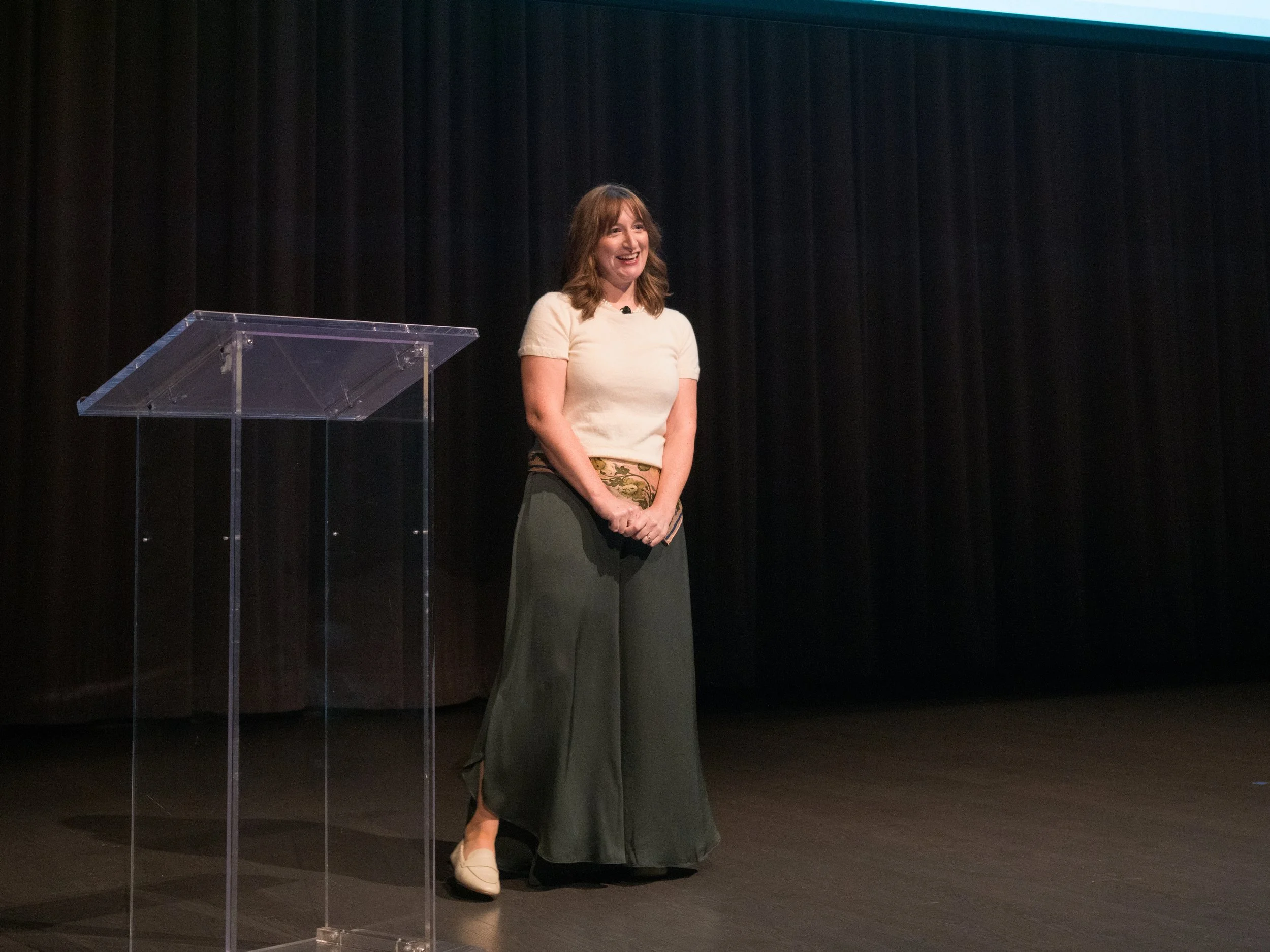
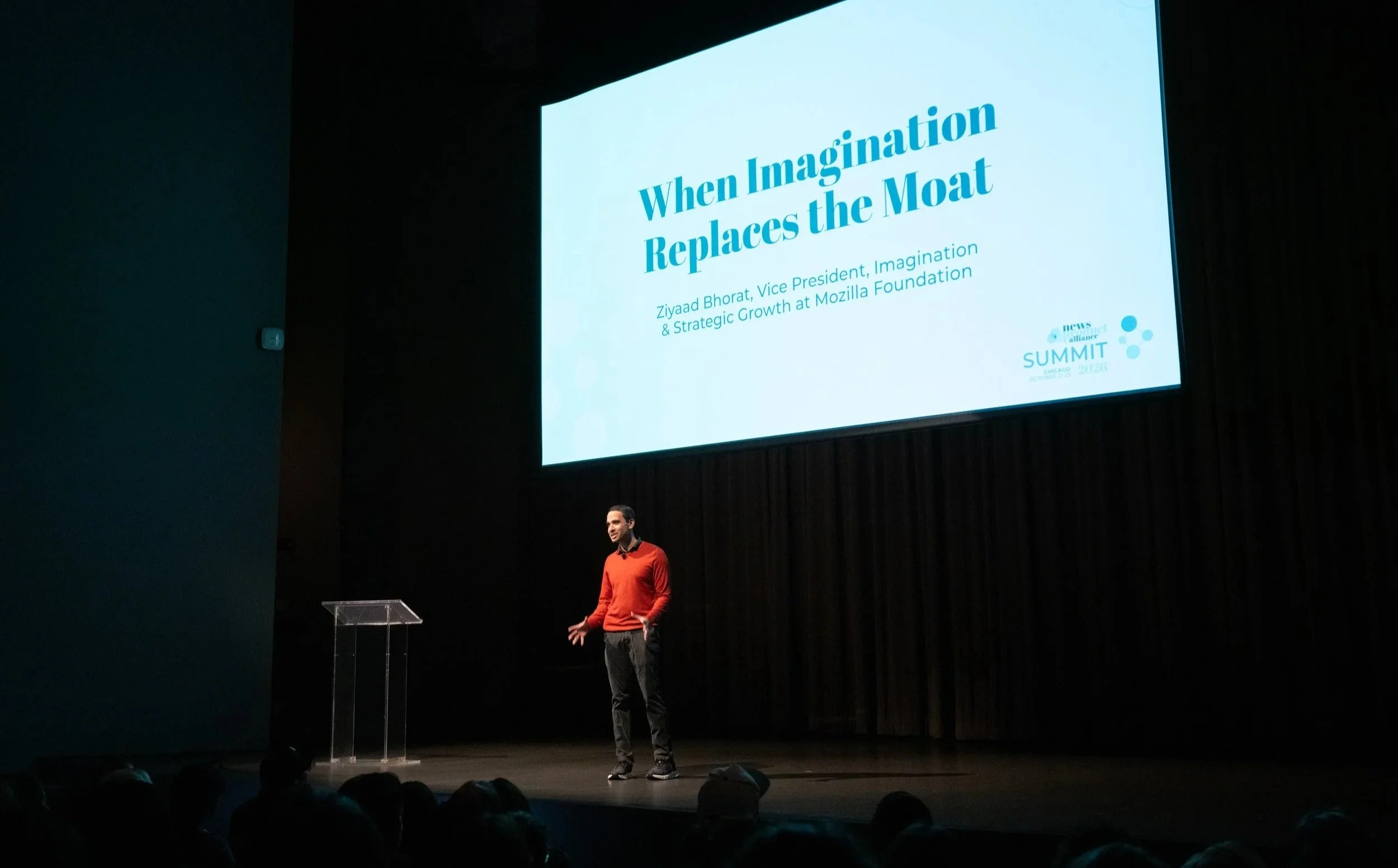
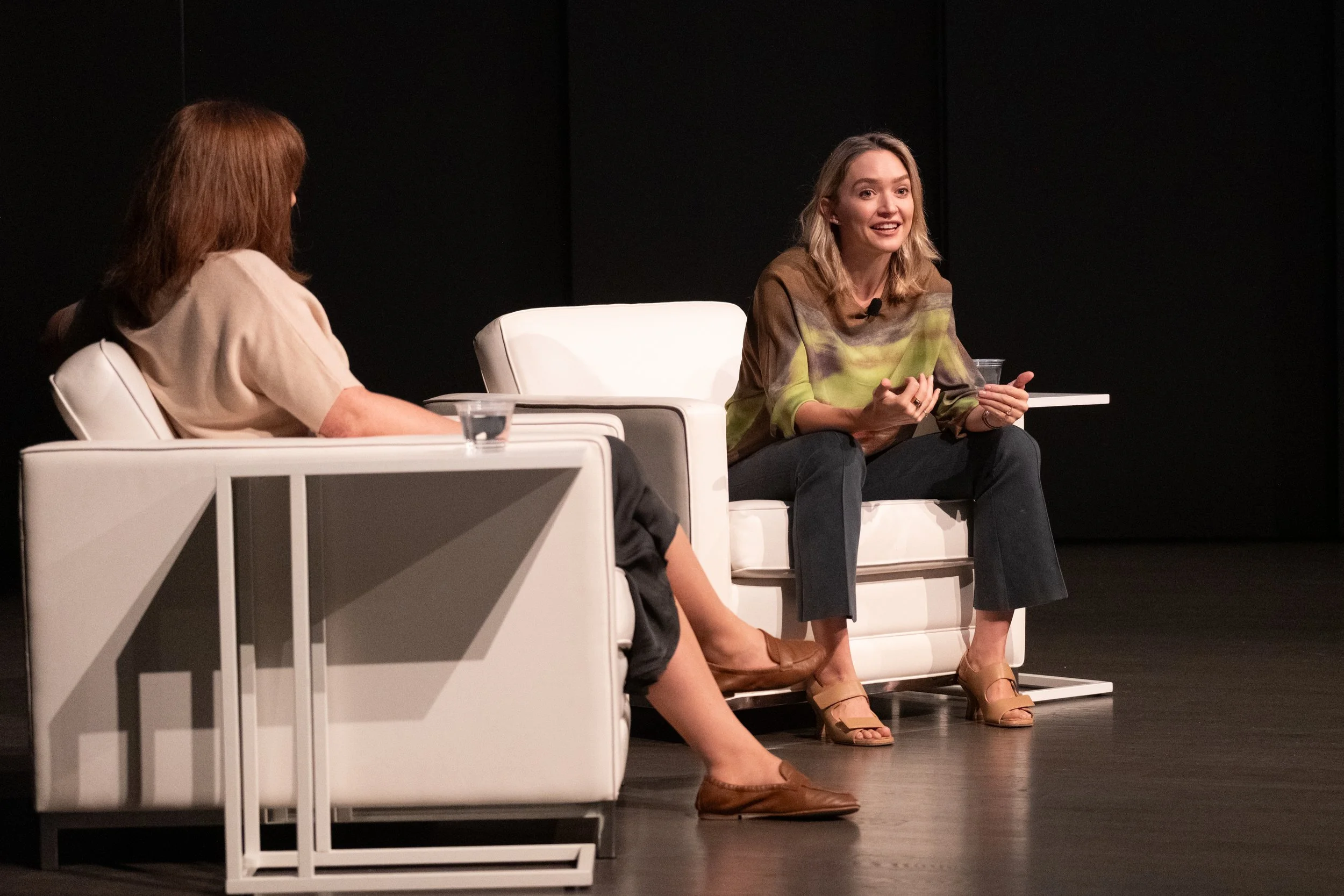
Two keynotes anchored this year’s program. Ziyaad Bhorat, Vice President of Imagination & Strategic Growth at Mozilla Foundation, challenged us to create bridges with our communities instead of moats built out of fear. Sarah Adler Hartman, CEO of The Texas Tribune, talked about her path from building products to leading a newsroom. You can watch recordings of both keynotes here.
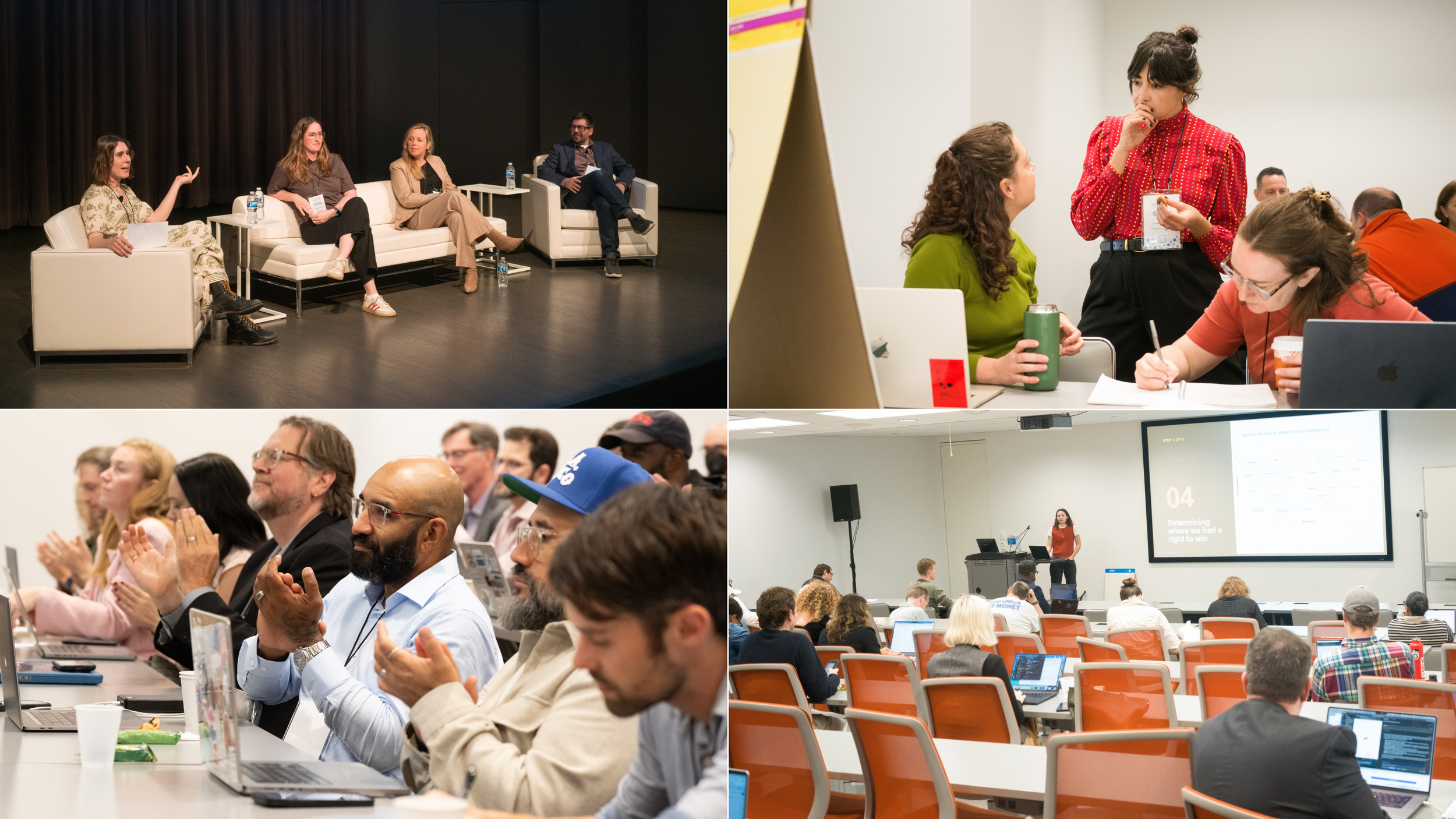
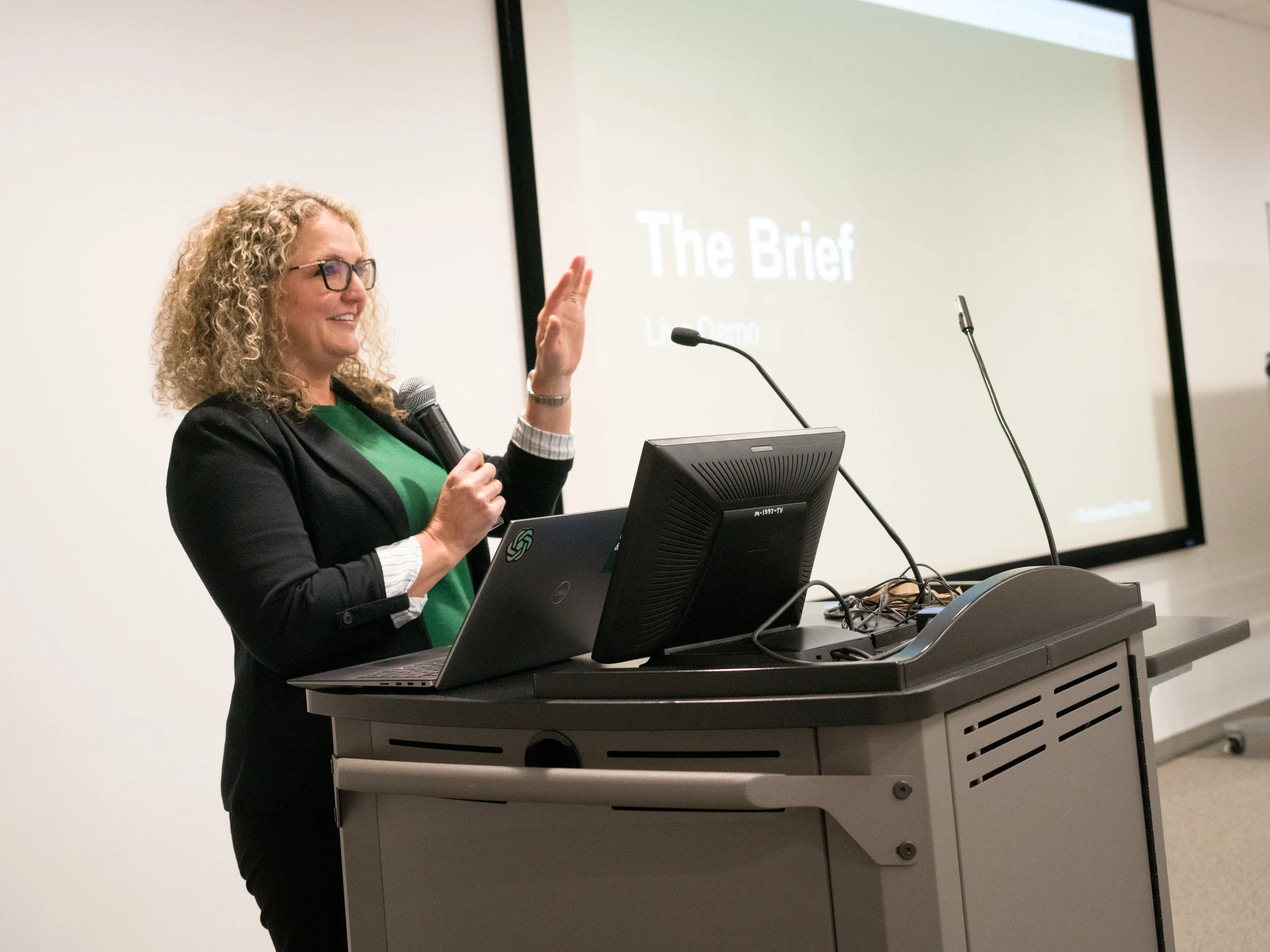
Across 41 sessions led by 80 speakers, the program focused on practical work attendees could take back to their teams and organizations. The New York Times showed how its newsroom uses the open-source tool LibreChat to let reporters query 3 million pages of documents in plain English, and SPIEGEL Group demonstrated how to break articles into structured data so AI agents represent the reporting accurately. Other sessions covered the gap between why audiences pay and what products are built around, the core product health metrics used by The Atlantic’s product team, and how The Minnesota Star Tribune launched Strib Varsity, a high school sports brand that covers more than 500 high schools and over 200,000 student-athletes.
The Show & Tells – 5 minute presentations designed to spark inspiration and challenge our thinking – gathered all attendees in the theater for fast-paced lightning talks, with speakers presenting their wins, their challenges, and what they learned from their product work. They turned out to be one of the attendees’ favorite moments of the Summit — which included a DJ house set with Amethyst Holmes, Product Manager of Digital Content (Contractor) at URL Media, who also spoke about the similarities between DJing and news product management.
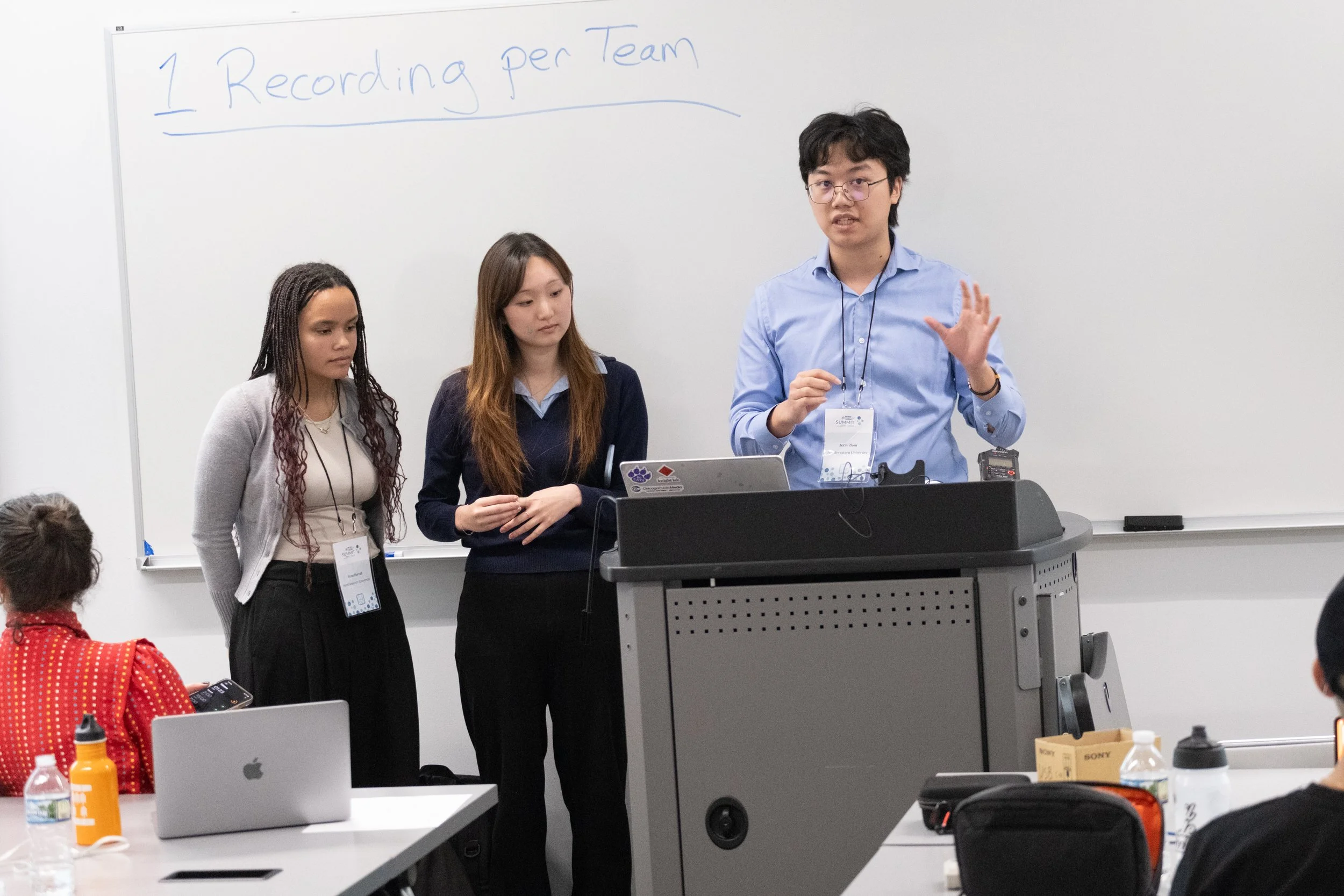
One of the most hands-on moments of the program was the speed hackathon, “Connecting the Dots on Your First-Party Data.” In just a couple of hours, ten teams built working tools using the ADC, a shared first-party data schema that NPA has developed over two years through the NPAI Co-Lab. The tools they developed focused on better understanding audiences, identifying potential donors and brand ambassadors, strengthening retention, and connecting data across systems.
Attendees were also able to connect in smaller groups throughout the Summit. Chief Product Officers met for a dedicated CPO gathering, and the NPMC meetup brought together alumni, coaches, and instructors with attendees interested in joining future cohorts. The NPA also offered Mentorship Clinics, which connected students from the Northwestern University Knight Lab and the Missouri School of Journalism with experienced news product practitioners for focused, one-on-one guidance during the Summit. Informal meetups also formed for designers, data professionals, and early-career attendees, ideas for new Slack channels took shape, and the mid-day break gave people time to have lunch together off-site.
Photos by Andrew Weeks Photography
“NPA has always been a strong community dedicated to solving problems and making news sustainable, and it's such a joy to share space in person at the NPA Summit. I came away from the conference with so many ideas to take back to my own organization and a ton of energy because of the smart people I was able to meet and the smart conversations I had over these days”, said another attendee.
Thanks to the generosity of our NPA Sustainers and sponsors, we were able to provide 41 community-supported tickets (at no cost to attendees) and 13 travel stipends to professionals who otherwise would not have been able to attend.
Recordings
With sessions running across multiple floors over three days, no one in Chicago could catch everything, so we recorded the keynotes and a small selection of sessions to keep the conversations going after the Summit.
Click on any session title below to start watching. These recordings are free for our community thanks to our generous sponsors and NPA Sustainers!
Built for Next-Gen Audiences:
AI-Powered Bets from Local Newsrooms
None of this would be possible without the partners, sponsors and allies that also believe in this mission. Thank you to MacArthur Foundation, Lenfest Institute for Journalism, WordPress VIP, Parse.ly, Alley, Microsoft, The Patrick J. McGovern Foundation, Google, Reynolds Journalism Institute, Newspack, beehiiv, Northwestern University Knight Lab, Missouri School of Journalism, and Press Forward Chicago. Your support enables us to bring this community together in person and to keep building a stronger news industry.